Driggs Short-Term Rental Bonus Depreciation Guide
A pre-trip depreciation briefing for STR buyers.
Driggs ranks #7 of 197 U.S. STR markets by bonus-eligible depreciation density.
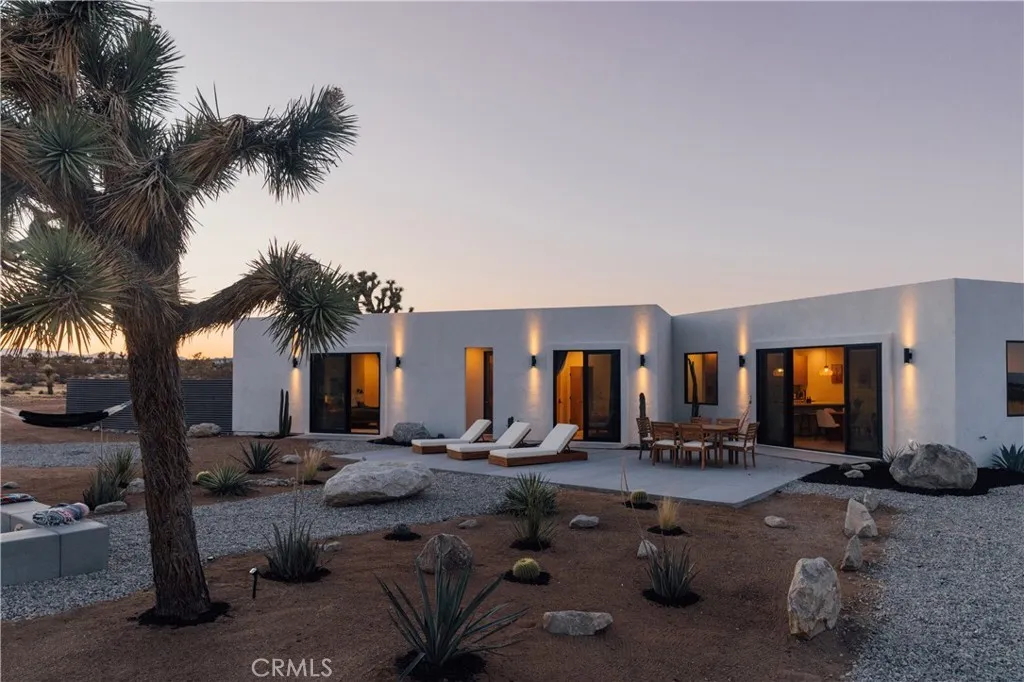
Quick answer
Is Driggs / Teton Valley a good market to buy a short-term rental in 2026?
Yes for high-earning STR investors targeting a Year-1 bonus depreciation write-off. Driggs / Teton Valley shows a market-median bonus-eligible depreciation of 26% of purchase price on a median $1.3M short-term rental — roughly ~$338K of Year-1 deduction at that price point, with 73% of active listings hitting the national Diamond tier (≥24% bonus-eligible).
- Median bonus-eligible: 26% of purchase price
- Median STR price: $1.3M
- Typical Year-1 write-off: ~$338K
- Diamond density: 73% of listings
- Median land ratio: 13% (US norm 25-35%)
- Edge: Land-ratio advantage vs. the 25-35% US residential norm
Live listings
Airbnbs for sale in Driggs: how to spot a Diamond-tier listing before you tour
About 73% of active Driggs STR listings hit the national Diamond tier (≥24% bonus-eligible depreciation) — the rest are usually one or two amenity upgrades or a lower land ratio away. The DepreciMax property scanner ranks every active Driggs short-term rental listing by Year-1 bonus depreciation potential — so you can filter to the top-scoring properties before booking your tour.
See every Driggs listing, scored by write-offThe Opening Number
What does $1M buy in Driggs, and how much can it save in Year-1 bonus depreciation?
Under IRS §168(k), short-term rental properties qualify for accelerated bonus depreciation on a meaningful share of the purchase price. The math below comes from a live Driggs listing — the highest-scored active property in the market right now.
Estimate uses the score-based formula behind every DepreciMax listing card. Final cost segregation results require a property-level report — see CTA at the end of this guide.
The Structural Advantage
Why does Driggs punch above its weight for STR bonus depreciation?
Mountain lots aren't cheap — but the structures built on them are expensive. Ski-country cabins carry premium finishes, hot tubs, wraparound decks, and thick FF&E packages that all count as depreciable improvements. In Driggs, the median land ratio sits around 13%, well below the national residential norm — which means more of every purchase dollar flows into bonus-eligible property instead of dirt.
DepreciMax Market Scanner
Enter a market. Rank listings by write-off potential.
See Diamond (and gold) property density.
Every active Driggs STR listing, scored and sorted by bonus-eligible depreciation — before you write an offer.
- → Enter a market
- → Rank listings by write-off potential
- → See Diamond (and gold) property density
What Drives the Score
Which amenities are bonus-eligible in Driggs STRs?
Prevalence of 15-year land improvements we typically see across Driggs short-term rentals — all 100% bonus-eligible in Year 1 under IRS §168(k).
Source: DepreciMax scoring of active Driggs STR listings. These amenities are the fastest way to spot Diamond-tier properties on tour — a home hitting 4 or more from this list is almost always ≥24% bonus-eligible.
The Non-Obvious Insight
How do Driggs bonus depreciation scores change with price?
The top 100 ranked listings, bucketed by purchase price. The median DepreciMax Score (right column) climbs as price climbs — bigger homes carry more bonus-eligible content: pools, hot tubs, fire pits, premium finishes, FF&E.
Why this matters for the trip
The "find a cheap fixer-upper" instinct is wrong here. A $1.5M property with a pool, outdoor kitchen, and Wolf appliances can generate more Year 1 deduction in absolute dollars than three $400k properties combined. Tour every tier — but calibrate your eyes for the right signals at each one, not just the right price.
On The Tour
What should you spot on tour — and what should you skip?
The items on the left depreciate in 5 or 15 years — fully bonus eligible. The items on the right are structural — necessary for the house, but NOT bonus eligible. Outdoor amenities are the single biggest score differentiator in Driggs.
5-Year Personal Property
Bonus Eligible- Hardwood, LVP, or stone tile flooring
- Quartz, granite, or marble countertops
- Custom cabinetry (soft-close, full-overlay)
- High-end appliances (Wolf, Sub-Zero, Thermador)
- Wine cooler / beverage center
- Decorative lighting fixtures, sconces
- Frameless glass shower enclosures
- Smart home / Lutron / Sonos
- Window treatments (motorized = strong signal)
- FF&E if conveyed (furniture, art, kitchenware)
15-Year Land Improvements
Bonus Eligible- Pool (in-ground or above-ground)
- Hot tub or spa
- Fire pit (built-in or freestanding gas)
- Outdoor kitchen / BBQ island
- Pergola, gazebo, ramada
- Outdoor fireplace or fire feature
- Paved patio or pool decking
- Mature landscaping / desert garden design
- Retaining walls, hardscape
- Exterior lighting (path, accent, security)
39-Year Structural
NOT Bonus Eligible- Foundation, framing, roof structure
- Windows and exterior doors
- Central HVAC ductwork, air handlers
- Plumbing rough-in (pipes inside walls)
- Electrical rough-in (wiring inside walls)
- Drywall, paint, embedded tile
These items still matter for condition and resale, but generate zero Year 1 deduction. A new roof doesn't help bonus depreciation — a new pool does.
Photo discipline on tour
Take 7–25 photos per property: kitchen (wide), main bath (wide), living area, primary bedroom, every outdoor amenity, and the property exterior. These are the inputs DepreciMax uses to score a property on the $99 report — so the photos you take on the tour become the depreciation analysis later.
Diligence Questions
What 5 questions should you ask the listing agent?
Each maps directly to a number that drives the Year 1 deduction. Most listing agents won't have rehearsed answers — that's fine. Ask anyway, note what they say, verify in due diligence.
-
1
What's the land value on the most recent tax assessment?
Total assessment splits into land + improvements. Lower land = higher depreciable basis = more bonus depreciation.
Driggs context: typical answer is 9–17%. If the agent doesn't know, the Teton County Assessor record will show it.
-
2
Is the property being sold furnished — and what FF&E is included?
Conveyed furniture, art, kitchenware, and electronics get added as 5-year personal property — often 4–8% of the purchase price in bonus depreciation.
Context: get a written FF&E list in the offer. Verbal "yes" doesn't survive closing.
-
3
How old are the HVAC, roof, and water heater — and are there receipts for recent replacements?
Recently replaced major systems can be partially classified as 5- or 15-year property if you have documentation. No receipts = no segregation.
Context: receipts also help your CPA defend the cost-seg study if it's ever questioned.
-
4
Were the outdoor amenities (pool, hot tub, fire pit, pergola) permitted — and when were they built?
Permitted improvements with a clear cost basis are easier to depreciate as 15-year land improvements. Unpermitted work creates risk for both cost seg and STR licensing.
Driggs context: pull the parcel's permit history from the Teton County Assessor (or the corresponding building/permit portal) before closing.
-
5
If this has been an active STR, what's the trailing 12-month gross revenue — and is there a transferable STR permit?
Permit caps and waitlists exist in many jurisdictions. A transferable permit is real value; a non-transferable one means going on the waitlist.
Driggs context: verify with the City of Driggs / Teton County STR office, not just the agent.
Regulations Checklist
What are the short-term rental regulations in Driggs in 2026?
Short-term rental regulations change frequently and vary by city, county, and HOA. Before you write an offer on a Driggs STR, verify the following five items with the local STR licensing authority — not with the listing agent. Regulations that were true last year may have changed, and a mistake here can invalidate the whole investment thesis.
-
1
Is there a permit cap or moratorium?
Many popular STR markets have hit permit caps or paused new licenses entirely. Ask the Driggs STR office directly whether new STR permits are being issued today — not "in general," today.
-
2
Is the existing STR permit transferable at closing?
In some jurisdictions, permits die with the seller and the buyer goes on a waitlist. A transferable permit is real value — sometimes 5-15% of purchase price implied in constrained markets. A non-transferable permit means potentially no revenue for months or years after closing.
-
3
Is there a primary-residence or owner-occupancy requirement?
Some cities restrict STR permits to owner-occupied properties (host lives there ≥6 months/year), which disqualifies most investor buyers. Verify whether Driggs distinguishes owner-occupied from non-owner-occupied STR permits and which category the property qualifies for.
-
4
Are there HOA or condo association restrictions on short-term rentals?
HOA covenants can prohibit STRs even when the city permits them. Get the HOA CC&Rs in writing before closing and search for terms like "rental," "leasing," "short-term," "transient," and "minimum stay." An HOA STR ban is not fixable after closing.
-
5
What's the minimum stay length required by Driggs?
Some jurisdictions have 30-day minimum stays that functionally kill STR use. Others require 7-day minimums, which conveniently still qualifies you for the federal STR loophole (average guest stay ≤7 days for material-participation treatment). If Driggs imposes a minimum, verify it matches your investment thesis.
Verify with the source: DepreciMax is a software company, not a law firm. STR regulations change; the Driggs STR office and your closing attorney are the authoritative sources. This checklist is what to ask, not what the current answers are.
Field Worksheet
How should you compare the properties you tour?
Fill this in on the trip. Bring it to your CPA. Run the top contender through DepreciMax for the formal score.
| Attribute | Property 1 | Property 2 | Property 3 |
|---|---|---|---|
| Address | |||
| List Price | |||
| DepreciMax Score | |||
| Land Ratio | |||
| Year Built | |||
| Outdoor Amenities | |||
| FF&E Included? | |||
| STR Permit Status | |||
| Gut Score (1–10) |
After The Trip
Score every property you toured.
You walked six properties. Three felt like contenders. The way to compare them isn't gut feel — it's the depreciation math, side by side.
- → Pull each address into DepreciMax
- → See its score and tier (Best / Good / Average / Poor)
- → Compare estimated Year 1 deduction in dollars
- → Run the $99 report on your top pick — CPA-ready PDF, closely calibrated to a formal cost seg study
Running more than one report?
DepreciMax Pro pays for itself after two reports.
Single reports are $99 each. DepreciMax Pro is $149/month for unlimited CPA-grade property reports across every STR market — 3-month minimum, then cancel anytime.
If you're evaluating more than one property this trip — or expect to run reports for clients or your CPA — Pro is cheaper than the second report itself.
- ✓ Unlimited CPA-grade property reports ($99 value each)
- ✓ Unlimited market searches across all 197 STR markets
- ✓ Weekly alerts on new listings in your watched markets
- ✓ CPA-ready PDF exports · 3-mo min, then 3-month minimum, then cancel anytime
Already bought a $99 report? Your $99 applies as credit toward your first month of Pro (14-day window, applied at checkout).
See DepreciMax Pro →